




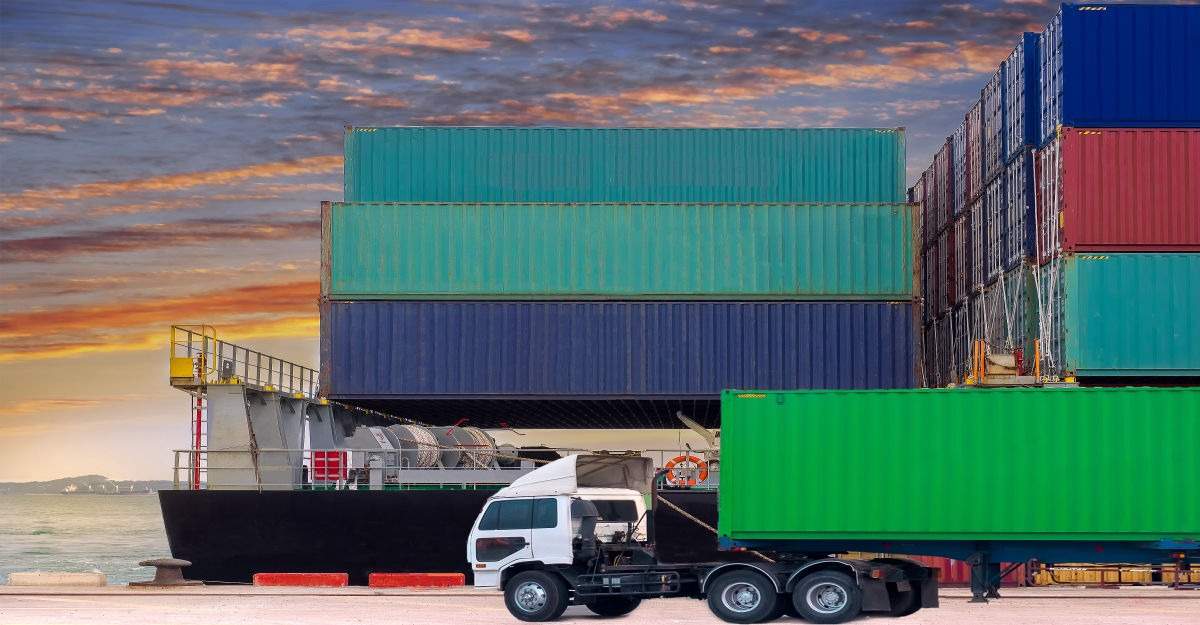
There’s no doubt that shipping machinery overseas is a difficult job. The process involves heavy lifting, strict paperwork, and careful planning to avoid costly mistakes.
There’s massive equipment involved. Excavators, bulldozers, cranes: stuff like these are huge and awkward to move.
Then there’s the paperwork involved in international shipping. Customs forms, permits, technical specs. If you miss a single detail, your machine just sits at the port, gathering dust.
The cost too isn’t cheap. Between the specialized trucks and the ocean freight, the bills add up fast.
That is exactly why you shouldn’t try to figure this out alone. You really need expert logistics support to handle the mess for you.
Why Ship Heavy Machinery Overseas?
People ship heavy machinery overseas for construction jobs, resale deals, auctions, farm exports, and moving factories globally.
Common Scenarios for Machinery Shipping
- Construction teams need their trusty cranes and dozers at new job sites abroad.
- Mining outfits send massive drills and loaders to remote spots to dig up resources.
- Farmers sell tractors to buyers in other countries who need reliable gear.
Benefits vs Challenges of Shipping Heavy Machinery
Benefits?
- You save cash buying used gear cheaper overseas.
- Resale value stays high for good machines.
- Sometimes it’s the only way to get what you need.
Challenges?
- Weight and size mean special trucks and ships.
- Regulations slow things down with permits.
When Shipping Heavy Machinery Might Not Be Worth It
- Skip shipping if local buying costs less overall.
- Freight fees plus customs duties eat profits.
- Old gear might depreciate too fast anyway.
Choosing the Right Shipping Method for Machinery
Picking the right way while shipping construction equipment overseas is honestly half the battle. For big machines, sea freight is the winner because it’s economical. Air freight is quick, but then it costs an arm and a leg. If it’s heavy, a boat is ideal.
Sea Freight for Heavy Machinery (FCL, LCL, RoRo, Flat Rack)
- RoRo is probably the easiest since you just drive the equipment right onto the ship.
- Flat racks are perfect for those awkward, weirdly shaped items that won’t fit in a normal box.
- If you have a full load, you use FCL, but LCL lets you share space if you don’t have much.
Air Freight for Urgent Machinery Shipments
- You really should only use air freight if you are in a massive rush.
- It makes sense for small, high-value things like spare parts that you need urgently.
- It is going to be pricey, but sometimes time is money.
- Just remember, you can’t really fit a giant excavator on a plane.
Choosing Between FCL, LCL & RoRo for Oversized Equipment
- For big pieces that don’t move, you will likely need a flat rack or FCL.
- LCL can save you cash, but only if your shipment isn’t huge.
- Just weigh the costs before you book anything.
Shipping Cost Breakdown & What Affects Pricing
Typical Cost Ranges for Machinery Shipping
Here’s what you’re probably gonna pay while shipping heavy machinery overseas.
- A 20ft container runs you about $1,500 to $3,000.
- A 40ft one? Between $3,000 to $5,000.
- Excavators are pricey. RoRo shipping for one usually costs $3,000 to $6,000.
- Bulldozers? Around $4,800 to move overseas.
What Drives Machinery Shipping Costs?
Why are machines so expensive? Well, labor costs are brutal. You need cranes and crews. That isn’t free. Getting your machine to the port by truck?
Often the priciest part of the whole thing. Add in customs fees, port charges, packing materials while shipping machinery overseas.
Cost-Saving Tips for Heavy Equipment Shipping
- Ship multiple items together if possible.
- Sea freight beats air freight every time on cost.
- Measure your stuff right. Bad measurements mean fines.
- Get quotes from different places. Shop around.
Documentation & Customs Requirements for International Machinery Shipping
Export Documents Required
Before your machinery even leaves the country, you must get export clearance sorted out. You need a Shipping Bill or Bill of Export that tells customs you’re moving the stuff.
The paperwork has to list all the machinery details—model number, serial number, weight, everything. You also need to prove you actually own the machine.
Import Regulations & Duties for Machinery
When your machinery lands in another country, that country’s customs want a cut. They call it customs duties, and you have to pay them.
Every piece of machinery gets an HS code. This number tells customs what your stuff is. Different machines have different duty rates. Some countries also have EPA or OSHA rules.
Special Requirements for Used or Powered Machinery
Here’s the thing about used machinery—it needs to be super clean before it ships. You must drain all the oil, fuel, and other liquids from the machine.
Batteries need to be disconnected too. Some gear might require fumigation to kill pests or bacteria.
Step-by-Step Process for Shipping Machinery Overseas
Step 1 – Machinery Inspection & Measurement
- Start by looking at your machine real carefully. You need exact measurements of length, width, and height .
- Check if it actually works and take photos from every angle. Write down the serial number and model number.
- See if you can take it apart to fit it in a container. This step takes time but it’s super important.
- Get all the specs documented before you do anything else.
Step 2 – Disassembly, Draining Fluids & Preparing Equipment
- Take off anything attached to the machine, like buckets or extra arms.
- Empty the fluids like oil and fuel.
- Make sure any loose parts are tied down to prevent shaking during shipping.
- Unplug the batteries and remove anything dangerous.
- Empty tanks completely.
Step 3 – Crating, Blocking & Bracing for Protection
- Build a strong crate around the machine or use shrink wrap to cover sensitive parts.
- Block it inside so it can’t shift left or right.
- Add extra support underneath to spread the weight evenly.
- Cushion any spots that might hit the container.
- Use bolts and brackets to lock everything down tight.
Step 4 – Loading into Container or onto Flat Rack/RoRo
- Cranes and forklifts move the machine into the container slowly and carefully.
- Workers lash it down with steel straps and rods so it stays put.
- For RoRo, you drive self-propelled gear right onto the deck.
- Everything gets double-checked for stability.
Step 5 – Overseas Transit & Tracking Updates
- Transit times vary—it might take two weeks, might take six depending on the route.
- The vessel might make stops at other ports.
- You get updates at each stage.
- Sometimes cargo gets transshipped to another vessel.
- When it gets close to the destination port, start preparing for arrival.
Step 6 – Destination Port Clearance & Final Delivery
- Once everything’s clear, unload begins.
- Trucks take it from the port to the final location.
- If you need it reassembled, technicians handle that.
- Make sure it’s positioned exactly where you want it.
Best Practices for Safe, Cost-Effective Machinery Shipping
Work with Certified Machinery Transport Specialists
- Get a freight forwarder who’s got experience with heavy machines. They know the rules and have global connections.
- These experts handle paperwork and find the best routes. They also negotiate prices for you.
- A good forwarder saves you time and money by avoiding rookie mistakes. They track your shipment closely and solve issues before they become big problems.
Avoid Common Mistakes in Equipment Shipping
- People mess up in so many ways. Wrong dimensions cause fines at customs. Missing documents hold up shipments.
- Cheap packing leads to damaged machines. Ignoring customs rules means your gear sits at the port. Always double-check paperwork.
- Use the right HS codes. Label everything clearly. Get dimensions measured twice.
Ensure Proper Insurance Coverage
Cargo insurance covers damage, loss, and weather problems during transport.
A $500,000 machine with no insurance is a nightmare if something goes wrong. Your carrier won’t cover it fully.
Get marine cargo insurance before shipping anything valuable.
Conclusion
- Moving heavy equipment isn’t just about loading and hoping for the best. You have to plan, prep, and honestly, trust the right folks to get the job done safely.
- From draining fluids to locking down loose parts, every step matters. And, picking movers who actually know what they’re doing? Total game changer.
- So if you’re wondering how to even start?Don’t stress it. Take one step at a time. Or better yet, let us help you map it out. Hit us up for a quote, no pressure.
Get a free quote today and make your TV shipping from the USA to India effortless!
Frequently Asked Questions (FAQ)
How do you ship an excavator overseas safely?
To ship an excavator safely, it’s usually moved on a flat rack or in a ro ro vessel. You remove attachments, drain fluids, secure all moving parts, and follow port rules.
How do you ship a tractor overseas internationally?
Most tractors ship on ro ro vessels or in containers, depending on size. You lower the cab if possible, secure attachments, and strap everything tightly. Fluids are often reduced. A specialist shipping company carefully guides you on prep and documents.
What is the best way to ship heavy machinery overseas?
The best way usually depends on size, budget, and destination. Ro ro works great for rolling machines. Flat racks suit oversized gear. You prep the machine, secure it hard, add insurance, and use a freight forwarder who knows heavy equipment.
How long does it take to ship heavy equipment internationally?
Transit time depends on distance, route, and sailing schedules. Region to region can take a couple of weeks. Some routes take a month or more. Add extra time for customs checks, port delays, and inland trucking at the destination, often.
How does shipping machinery overseas to the USA work?
Shipping machinery to the USA starts with choosing a carrier and route. The shipper preps and secures the machine, then it loads by ro ro or flat rack. At arrival, customs clears it using your documents, then the trucker delivers it inland.
What paperwork is required for shipping machinery overseas?
You usually need a bill of lading, commercial invoice, packing list, and export declaration. Depending on the country and machine type, there might be certificates, EPA or emissions forms, and insurance documents. A freight forwarder tells you what is needed.
Do I need to clean or prepare machinery before overseas transport?
Yes, some prep is almost always needed. You may need to wash the machine, remove dirt, and sometimes steam clean for biosecurity. Remove loose gear, lock moving sections, and lower attachments. Many shippers also ask to drain or lower fluids.
What are the common methods for shipping construction equipment overseas?
Common methods include ro ro shipping for self driven equipment, flat rack containers for large or odd shapes, and containers for smaller machines. Choice depends on size, weight, port options, and cost. Your logistics partner helps pick the best fit.

SFL Worldwide is a top global logistics company delivering services in transportation, relocation, and freight forwarding. Since 2005, The company has handled domestic and international shipments. SFL helps its customers navigate through the complicated shipping regulations and documentation by providing professional advice. The company uses its network of 200+ partners to provide effective solutions to individuals and businesses. Its knowledge and experience give customers the assurance of safe, quick, and reliable global delivery, along with tracking available 24/7. Its ability to handle over 100,000 successful relocations worldwide is testimony to its reliability.